
10 Days Around Cape York: Jamie Vogler’s Journey in the GM68C
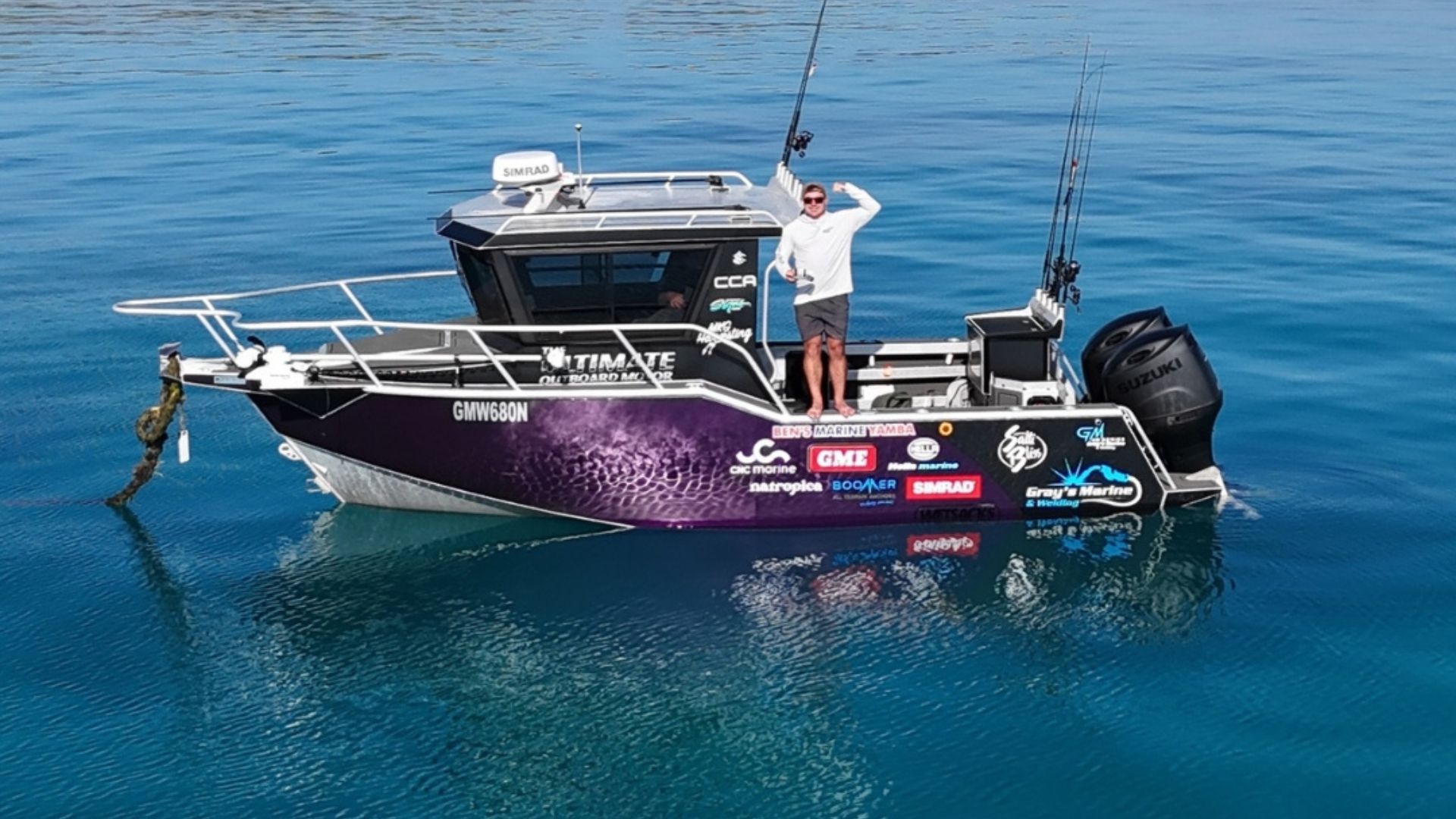
A 8-metre boat, 10 days on the water and a journey around some of Queensland’s most remote coastline. Jamie Vogler looks back on the trip aboard his GM68C, built by Gray’s Marine.
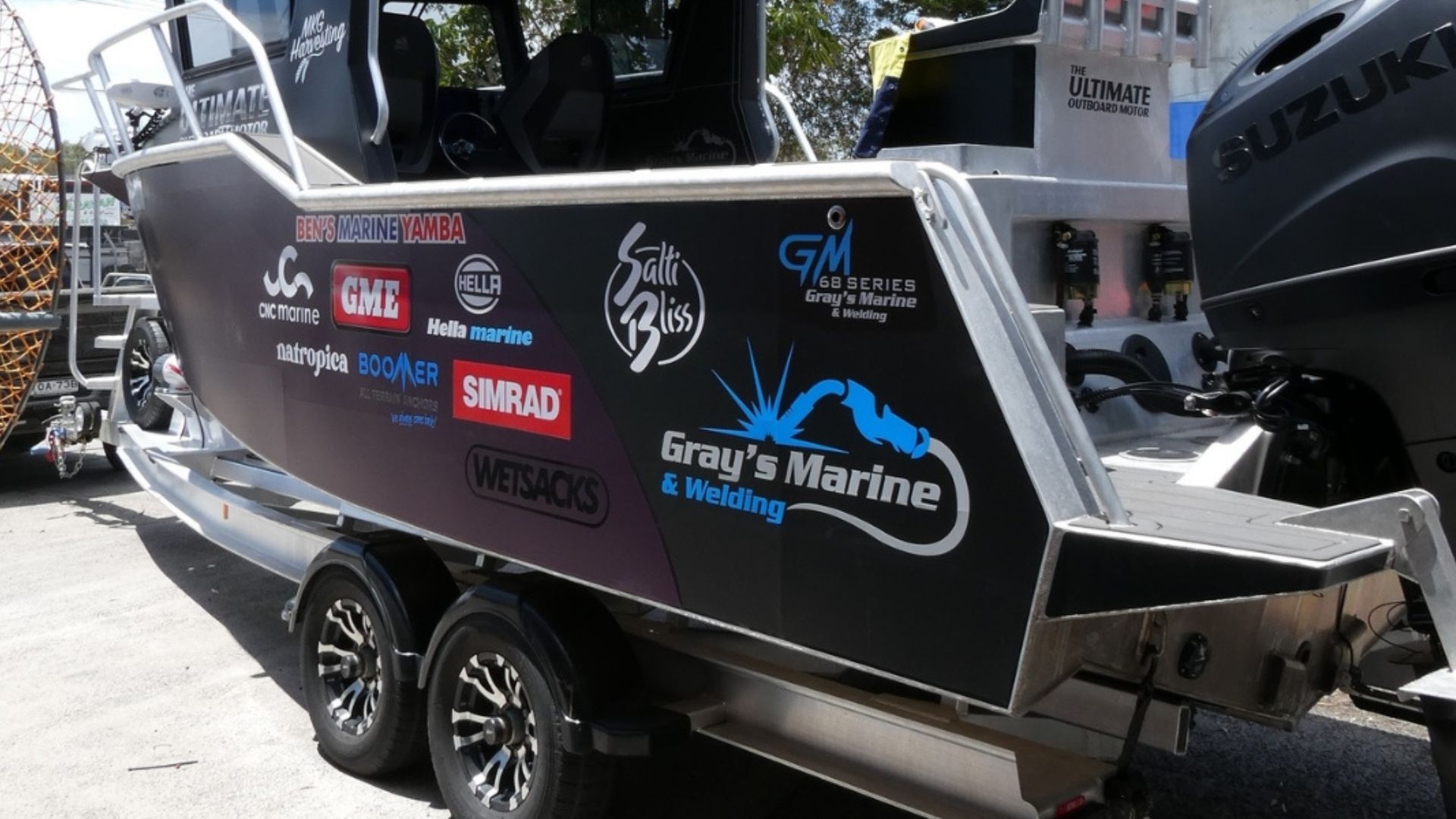
What started as an idea for a fundraising trip with the North Queensland Cowboys turned into a 10-day adventure around Cape York for Jamie Vogler and his crew. The journey saw Jamie travel from Townsville, around Cape York and down into Normanton, covering a stretch of coastline that not many people get the opportunity to explore. The boat behind the trip was a GM68C built by Gray’s Marine. Originally built to commercial specifications, the vessel is a sister ship to two boats supplied to Marine Rescue NSW.
Looking back on the build, Jamie remembers how quickly everything came together. “I needed a boat very quickly. And then within two, three months, you and the Grey’s Marine team just somehow turned around that whole boat.” Having previously built a boat himself, Jamie appreciated the process Grey’s Marine took him through, particularly the regular updates and photos showing the progress of the build.
Setting off around Cape York
It was a big journey for a 8-metre boat, but one they managed to complete in just 10 days. Fuel planning was a major part of making the trip possible. With limited opportunities to refuel along the way, Jamie’s father helped by meeting the crew at Lockhart River and Bamaga, near the tip of Cape York. They also met another friend at Weipa, who brought additional fuel.
After leaving Cairns, the crew spent most of their time living aboard the boat. For Jamie, one of the best parts of the journey was getting to see places that many people rarely visit. “Because we were tracking the whole coast, there was certain places where probably not many people have ever seen.” Rather than heading out from one location and returning a few hours later, they were continually moving along the coastline, discovering remote locations, fishing spots and places they had never heard of before. He also spoke about the people they met along the way, particularly the Indigenous and wider North Queensland communities, who helped make the journey possible.
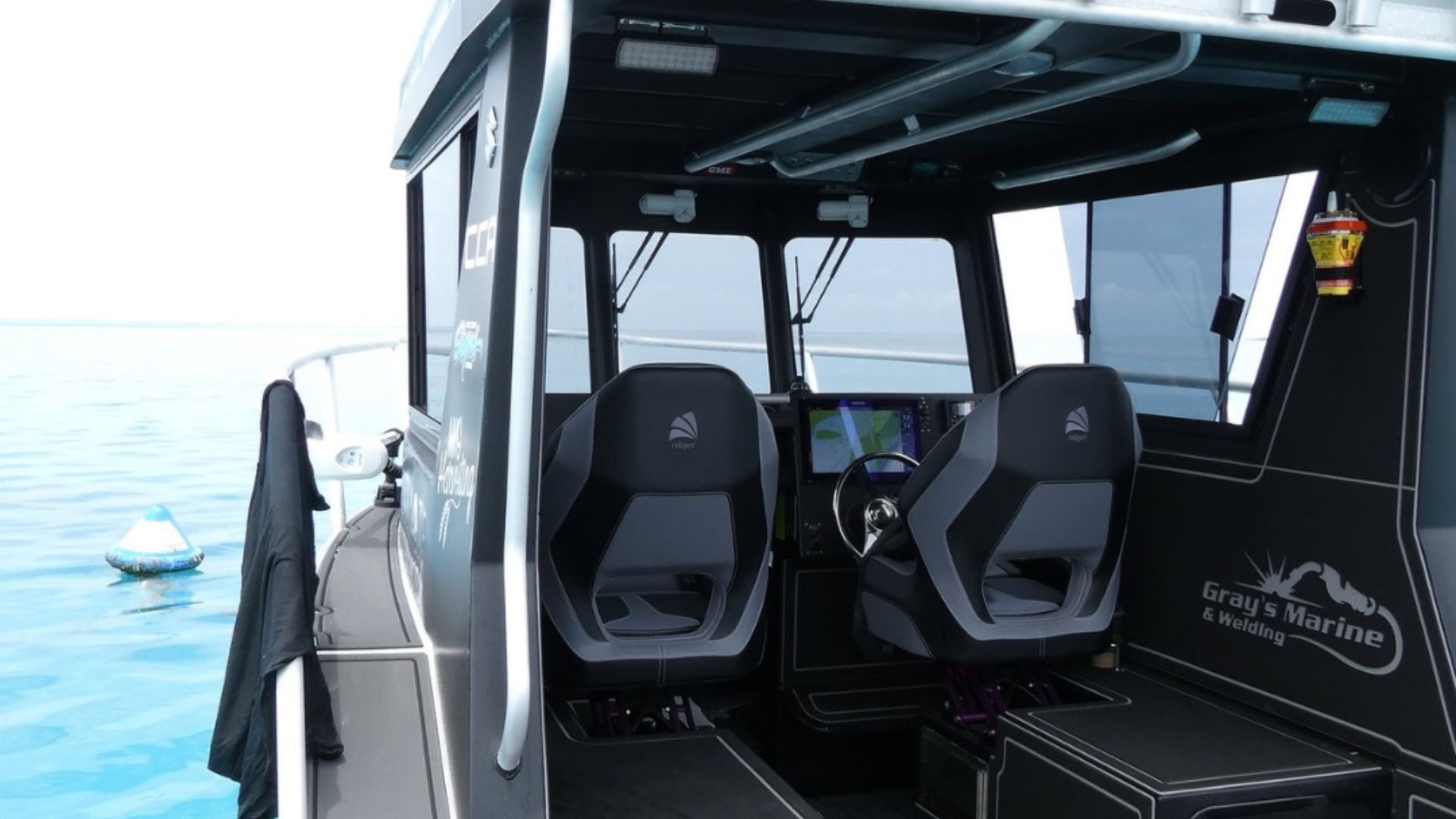
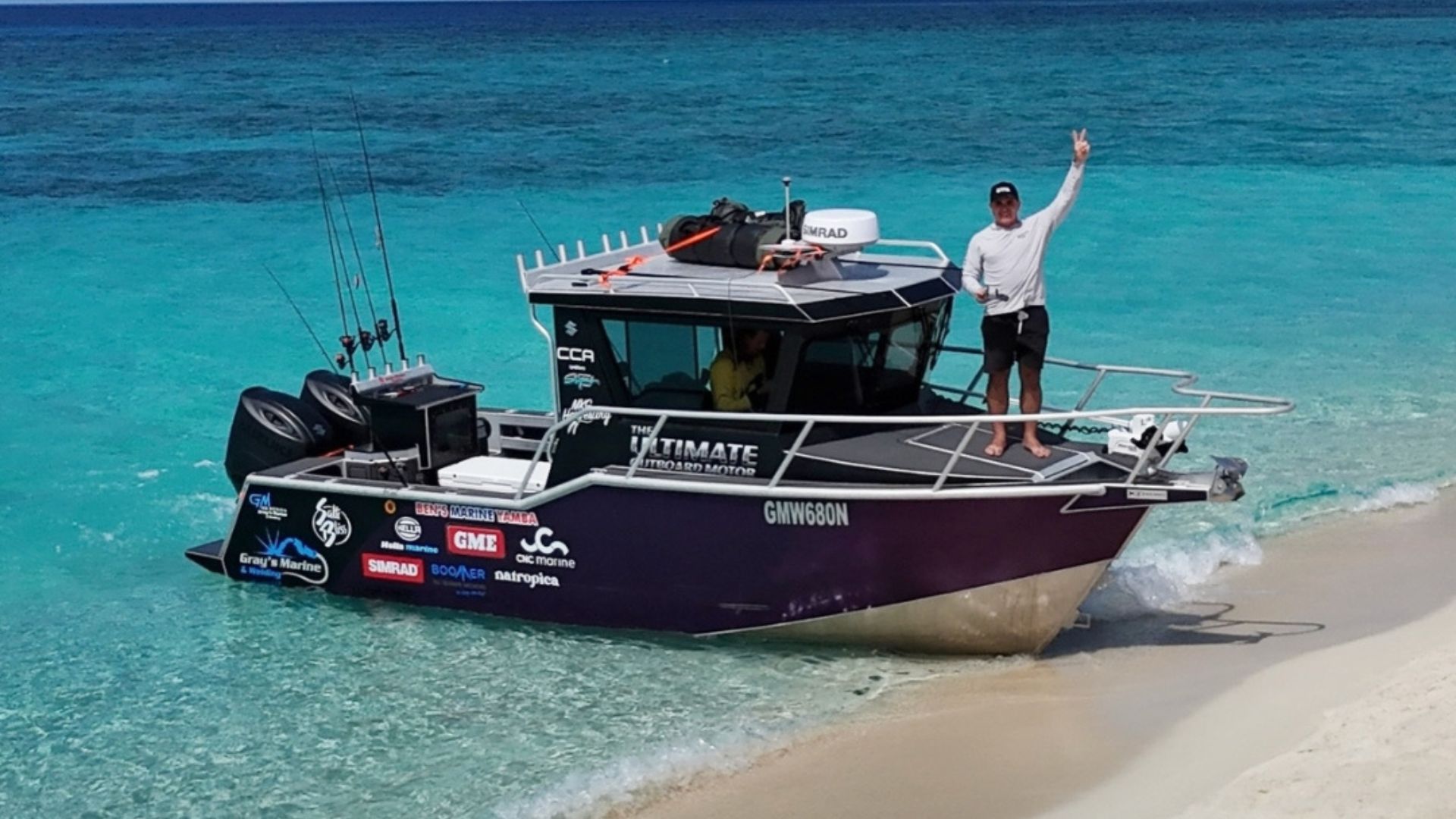
Putting the GM68C to the test
The trip provided plenty of opportunities to see how the boat performed, particularly when conditions became challenging. Jamie recalls the western side of Cape York being one of the rougher sections, with waves hitting the boat side-on and making for some uncomfortable conditions. Despite this, he was impressed with how the boat handled the water. “You look down and, you know, you’re cruising at a decent pace as well. It just eats it up.” The boat was also carrying a considerable amount of fuel, with more than 1,000 litres on board for the final stretch of the journey.
Powered by twin 150hp Suzuki outboards, Jamie recalls the fuel consumption sitting around the one-to-one mark when cruising at the right speed. Finding the engine’s sweet spot was important, allowing them to cover the distance without using more fuel than necessary. The trip also gave Jamie a few ideas about what he would change next time. One thing they hadn’t really accounted for was the rain. Although they had a tarp, it wasn’t enough when the weather turned overnight. “If it was to do it again, you’d have to have full clears around.” With Jamie’s brother and a mate sleeping in swags, having more protection from the weather would have made a big difference. He also felt a cabin with sleeping space would have been a worthwhile addition.
What would Jamie change next time?
Jamie was happy with how the boat performed throughout the journey.However, having experienced 10 days living aboard, he came away with a better idea of what he would look for in his next boat. For Jamie, something around the same size, or perhaps slightly smaller, would be ideal. He would still want enough deck space for fishing, but with a good cabin where he could sleep, cook and store his camera gear. A well-equipped 12-volt system would also be high on the list, particularly with solar to help support longer periods away from shore. He also made the point that you don’t necessarily need every feature or upgrade to enjoy getting out on the water. Looking at some of the boats on display at the Perth Boat Show, Jamie commented that while all the extras can make a boat more comfortable, they aren’t always necessary.
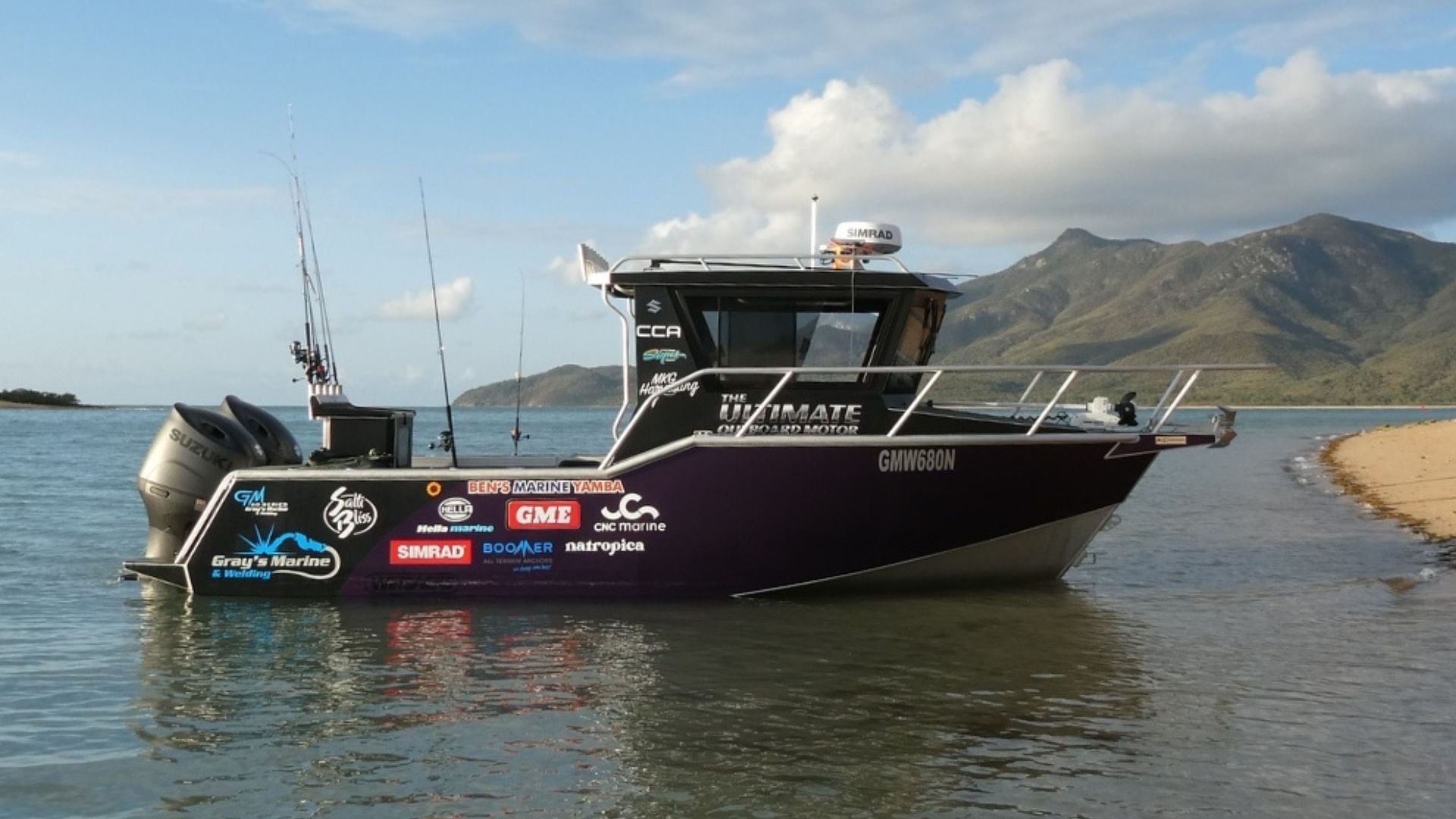
What’s next?
Since the Cape York trip, Jamie has kept busy with his business, Wet Sacks, which produces waterproof bags including backpacks, duffel bags and fish bags, with plans to expand further into the four-wheel-driving market. He’s also been travelling throughout Asia and Indonesia, spending time riding Sea-Doos and keeping busy with new product designs. But the boating adventures aren’t finished. During our chat at the Perth Boat Show, Jamie mentioned he was looking at travelling the length of Western Australia on a Sea-Doo. When asked what boat he’d be looking for next, he was clear about what mattered most: a practical setup for fishing, camping and spending time off-grid.